- Participants
- 11,321
- Duration
- 25 trials
- Daily dose
- Daily or weekly
- Who took part
- Children and adults aged 0 to 95
- Design
- Meta-analysis of individual participant data from randomized trials
- Funded by
- UK National Institute for Health Research
What they tested
The researchers pooled the individual data of 10,933 people from 25 randomized trials (11,321 participants in total) of vitamin D supplements.
What they found
Vitamin D reduced the odds of having at least one acute respiratory infection by about 12% overall (odds ratio 0.88). People taking daily or weekly doses benefited; people given large occasional doses did not. The effect was strongest in those with very low starting levels. Serious side effects didn’t increase.
What it means for supplements
A modest, steady daily amount is what was studied. It matters most for people who don’t get enough vitamin D.
Limitations to keep in mind
- Large one-off (bolus) doses showed no benefit.
- The trials differed widely in population, dose and how infections were measured.
Reviews that cite this study
-
1
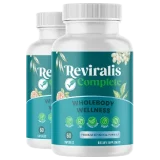 7.8Very goodVitamin DZincVitamin C
- Price
- From $49/bottle
- Refund
- 60-day
- Format
- Capsules · 1/day
Sources
- Martineau AR, Jolliffe DA, Hooper RL, et al. Vitamin D supplementation to prevent acute respiratory tract infections: systematic review and meta-analysis of individual participant data. BMJ. 2017;356:i6583. doi:10.1136/bmj.i6583
nutrarater research desk Updated Nov 26, 2026 Editorial standards Report an error