- Main uses studied
- Blood sugar, cholesterol
- Amounts used in research
- 900–1,500 mg a day, split into 2–3 doses with meals
- Studies we summarize
- 1
- In reviewed products
- 1
What it is
A bitter, bright-yellow compound extracted from plants such as barberry (Berberis), goldenseal and Chinese goldthread (Coptis).
What the research shows
A 2012 meta-analysis pooled 14 randomized trials with 1,068 participants with type 2 diabetes and found lower fasting glucose and HbA1c when berberine was added to lifestyle changes. The reviewers rated the methods of most trials as low quality. Other meta-analyses report modest reductions in LDL cholesterol and triglycerides.
How supplements use it
Effective amounts in trials are large (around 1,000–1,500 mg a day), so a few hundred milligrams inside a blend is far below the research.
Safety notes
- Stomach upset, constipation or diarrhea are common at first.
- Interacts with many medicines (it affects liver enzymes CYP3A4 and CYP2D6) and adds to glucose-lowering drugs: talk to your doctor first.
- Not for pregnancy, breastfeeding or infants.
Talk to your doctor or pharmacist before starting a supplement, especially if you take medication or are pregnant.
Studies on Berberine
Berberine and blood sugar: a meta-analysis of 14 trials
Dong et al. · Evid Based Complement Alternat Med · 2012
- People
- 1,068
- Length
- 14 trials
- Dose
- Mostly 0.5–1.5 g
Berberine added to lifestyle changes lowered fasting glucose and HbA1c more than lifestyle changes alone. Most trials were of low quality.
Reviewed products with Berberine
-
1
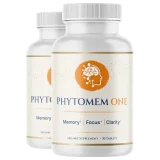 8.3ExcellentNew reviewSaffron extractBerberine HClCeylon cinnamon
- Price
- From $49/bottle
- Refund
- 60-day
- Format
- Tablets · 1/day
How we grade evidence
Sources
- Dong H, et al. Evid Based Complement Alternat Med. 2012;2012:591654.
- NCCIH. Goldenseal (berberine) — Usefulness and Safety.
nutrarater research desk Updated Nov 26, 2026 Editorial standards Report an error