- Participants
- 25
- Duration
- 3 months
- Daily dose
- 20 mg
- Who took part
- Adults with early age-related macular degeneration
- Design
- Randomized, placebo-controlled crossover
What they tested
25 adults with early AMD took 20 mg of saffron or placebo daily for three months each, in random order. Researchers measured retinal function with a focal electroretinogram (fERG), which records how the macula responds to flickering light.
What they found
After saffron, fERG amplitude rose and the sensitivity threshold fell, compared with both baseline and placebo. Placebo produced no change.
What it means for supplements
It’s an encouraging signal for saffron at 20 mg a day, from a small trial. The authors themselves called for replication and for studies of whether the change makes a practical difference to vision.
Limitations to keep in mind
- Small sample (25 people) and short duration.
- The outcome is a lab measure of retinal function; the authors noted its clinical significance was still to be evaluated.
Reviews that cite this study
-
1
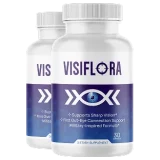 8.9ExcellentSage's PickTrendingLuteinZeaxanthinZinc
- Price
- From $49/bottle
- Refund
- 60-day
- Format
- Capsules · 1/day
Sources
- Falsini B, Piccardi M, Minnella A, et al. Influence of saffron supplementation on retinal flicker sensitivity in early age-related macular degeneration. Invest Ophthalmol Vis Sci. 2010;51(12):6118–6124. doi:10.1167/iovs.09-4995
nutrarater research desk Updated Nov 26, 2026 Editorial standards Report an error