- Main uses studied
- Eye health, macular pigment
- Amounts used in research
- 10 mg lutein + 2 mg zeaxanthin a day (AREDS2)
- Studies we summarize
- 1
- In reviewed products
- 1
What it is
Lutein and zeaxanthin are carotenoids, the same family of pigments as beta-carotene. The body can’t make them, so they come from food (leafy greens, egg yolk, corn) or supplements, which usually extract them from marigold flowers. Both build up in the macula, where they form the macular pigment.
What the research shows
The strongest evidence comes from AREDS2, a five-year trial of 4,203 adults run by the National Eye Institute. Adding lutein and zeaxanthin to the original AREDS vitamin-and-mineral formula did not further slow progression in the main analysis, but the two carotenoids proved a suitable replacement for beta-carotene, which had been linked to more lung cancers in former smokers. People with the lowest intake from food appeared to benefit most.
Smaller trials consistently show that supplements raise macular pigment density within a few months.
How supplements use it
Most eye formulas follow the AREDS2 amounts: 10 mg of lutein and 2 mg of zeaxanthin. When a label lists lutein without an amount, there’s no way to compare it with the research.
Safety notes
- Well tolerated at the studied amounts.
- Very high intakes can tint the skin yellow (carotenodermia), which is harmless and reversible.
Talk to your doctor or pharmacist before starting a supplement, especially if you take medication or are pregnant.
Studies on Lutein & zeaxanthin
Lutein + zeaxanthin in the AREDS2 eye formula
AREDS2 Research Group · JAMA · 2013
- People
- 4,203
- Length
- ~5 years
- Dose
- 10 mg + 2 mg
Adding lutein and zeaxanthin didn't further slow progression in the main analysis, but they proved a safer replacement for beta-carotene in the National Eye Institute's formula.
Reviewed products with Lutein & zeaxanthin
-
1
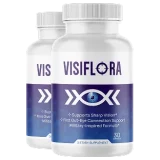 8.9ExcellentSage's PickTrendingLuteinZeaxanthinZinc
- Price
- From $49/bottle
- Refund
- 60-day
- Format
- Capsules · 1/day
How we grade evidence
Sources
- AREDS2 Research Group. JAMA. 2013;309(19):2005–2015.
- National Eye Institute. AREDS/AREDS2 Frequently Asked Questions.
nutrarater research desk Updated Nov 26, 2026 Editorial standards Report an error