- Main uses studied
- Memory, circulation
- Amounts used in research
- 120–240 mg of standardized extract a day
- Studies we summarize
- 1
- In reviewed products
- 2
What it is
An extract of the fan-shaped leaves of Ginkgo biloba, standardized to flavone glycosides and terpene lactones.
What the research shows
The Ginkgo Evaluation of Memory (GEM) study followed 3,069 adults aged 75 and older for a median of 6.1 years. Ginkgo, 120 mg twice a day, didn’t lower the rate of dementia compared with placebo. Smaller trials on memory and circulation have mixed results.
How supplements use it
Common in brain and eye blends. Because of the bleeding risk, it’s worth knowing it’s there even when the amount is small.
Safety notes
- May increase bleeding risk with blood thinners and anti-platelet drugs; stop before surgery.
- Never eat raw ginkgo seeds.
Talk to your doctor or pharmacist before starting a supplement, especially if you take medication or are pregnant.
Studies on Ginkgo biloba
Ginkgo biloba and dementia: the GEM study
DeKosky et al. (GEM) · JAMA · 2008
- People
- 3,069
- Length
- 6.1 years (median)
- Dose
- 2 × 120 mg
Ginkgo didn't lower the rate of dementia compared with placebo.
Reviewed products with Ginkgo biloba
-
1
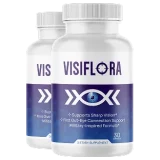 8.9ExcellentSage's PickTrendingLuteinZeaxanthinZinc
- Price
- From $49/bottle
- Refund
- 60-day
- Format
- Capsules · 1/day
-
2
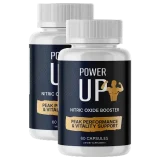 8.0ExcellentNew reviewAsian ginsengEpimediumTribulus
- Price
- From $49/bottle
- Refund
- 60-day
- Format
- Capsules · 2/day
How we grade evidence
Sources
- DeKosky ST, et al. JAMA. 2008;300(19):2253–2262.
- NCCIH. Ginkgo.
nutrarater research desk Updated Nov 26, 2026 Editorial standards Report an error