- Main uses studied
- Eye health
- Amounts used in research
- 160–480 mg of extract a day (standardized to anthocyanins)
- Studies we summarize
- 1
- In reviewed products
- 2
What it is
The fruit of Vaccinium myrtillus, a low shrub from northern Europe. Extracts are standardized to their anthocyanin content, usually 25–36%.
What the research shows
The popular story about pilots eating bilberry jam for night vision didn’t hold up: a systematic review of controlled trials found no meaningful effect on night vision. Newer, small trials look at eye fatigue and dry-eye comfort with mixed results.
How supplements use it
Usually a minor ingredient in eye blends. A standardized extract with a stated amount is more useful than “bilberry fruit powder” alone.
Safety notes
- Generally well tolerated.
- Ask your doctor if you take blood thinners.
Talk to your doctor or pharmacist before starting a supplement, especially if you take medication or are pregnant.
Studies on Bilberry
Bilberry and fish oil for dry eyes: a 3-month pilot
Yu et al. · Front Nutr · 2023
- People
- 24
- Length
- 3 months
- Dose
- 600 mg bilberry + 240 mg DHA
Dry-eye scores and tear measures improved in the group taking a bilberry and fish oil supplement for three months.
Reviewed products with Bilberry
-
1
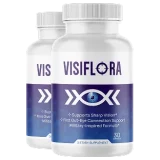 8.9ExcellentSage's PickTrendingLuteinZeaxanthinZinc
- Price
- From $49/bottle
- Refund
- 60-day
- Format
- Capsules · 1/day
-
2
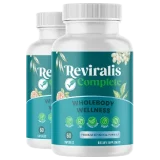 7.8Very goodVitamin DZincVitamin C
- Price
- From $49/bottle
- Refund
- 60-day
- Format
- Capsules · 1/day
How we grade evidence
Sources
- Canter PH, Ernst E. Anthocyanosides of Vaccinium myrtillus for night vision: a systematic review. Surv Ophthalmol. 2004;49(1):38–50.
- NCCIH. Bilberry.
nutrarater research desk Updated Nov 26, 2026 Editorial standards Report an error