- Main uses studied
- Eye strain, skin
- Amounts used in research
- 4–12 mg a day
- Studies we summarize
- 0
- In reviewed products
- 1
What it is
A red-orange carotenoid made by the microalga Haematococcus pluvialis. Unlike beta-carotene, the body doesn’t convert it into vitamin A.
What the research shows
Most human studies are small and short, many from Japan, and focus on eye strain (accommodation after near work) and skin moisture. Results are encouraging but not yet backed by large independent trials, which is why we grade it Emerging.
How supplements use it
Studied amounts range from 4 to 12 mg a day, taken with a meal containing fat.
Safety notes
- Well tolerated in trials.
- High doses may tint stools reddish.
Talk to your doctor or pharmacist before starting a supplement, especially if you take medication or are pregnant.
Reviewed products with Astaxanthin
-
1
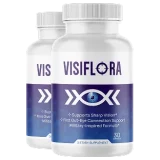 8.9ExcellentSage's PickTrendingLuteinZeaxanthinZinc
- Price
- From $49/bottle
- Refund
- 60-day
- Format
- Capsules · 1/day
How we grade evidence
Sources
- Kidd P. Astaxanthin, cell membrane nutrient with diverse clinical benefits. Altern Med Rev. 2011;16(4):355–364.
nutrarater research desk Updated Nov 26, 2026 Editorial standards Report an error